

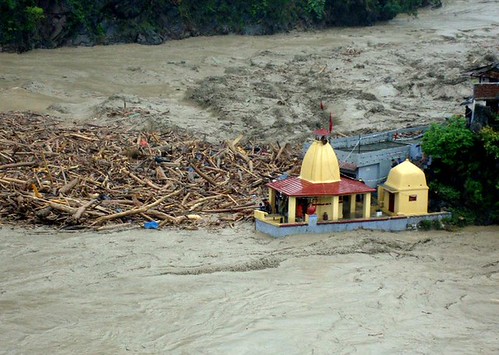
The Uttarakhand helicopter crash has once again raised concerns about safety in air travel. This tragic incident highlights ongoing issues that need immediate attention.
Overview of the Uttarakhand helicopter crash
The recent Uttarakhand helicopter crash has brought to light pressing safety concerns that have been raised by a Parliamentary panel. This tragic incident, which resulted in the loss of lives, has sparked a renewed debate about the safety protocols in place for air travel in the region.
Experts argue that despite advancements in technology, the aviation sector in Uttarakhand still faces numerous challenges. Key issues include:
- Inadequate Infrastructure: The mountainous terrain complicates landing and takeoff procedures, increasing the risk of accidents.
- Regulatory Oversight: Questions have been raised regarding the effectiveness of regulatory bodies in enforcing safety standards.
- Pilot Training: Concerns about the comprehensive training received by pilots operating in such difficult conditions have been highlighted.
As investigations into the Uttarakhand helicopter crash continue, it is essential for authorities to address these issues to prevent future tragedies and ensure the safety of passengers.
Details of the Parliamentary panel’s concerns
The recent Uttarakhand helicopter crash has reignited discussions regarding the safety of helicopter operations in the region. The Parliamentary panel had previously outlined several critical concerns that are now being scrutinized once more. According to the panel’s report, the following issues were highlighted:
- Maintenance Standards: Regular maintenance checks are essential, yet there have been reports of lapses in compliance with safety protocols.
- Pilot Training: Proper training is crucial for pilots operating in challenging terrains, but there are claims of insufficient training programs.
- Weather Assessment: Inaccurate weather assessments can lead to dangerous flying conditions, emphasizing the need for improved forecasting methods.
- Regulatory Oversight: The panel urged for enhanced regulatory oversight to ensure all operators adhere to safety norms.
The Uttarakhand helicopter crash serves as a stark reminder of the potential consequences of ignoring these concerns. As investigations continue, stakeholders are calling for immediate action to address these critical safety issues.
Impact on air travel safety regulations
The recent Uttarakhand helicopter crash has reignited discussions surrounding air travel safety regulations in India. Following the incident, various stakeholders have raised important questions about the existing safety protocols and the effectiveness of regulatory bodies.
Key areas of concern highlighted include:
- Regulatory Oversight: There are calls for stronger oversight from the Directorate General of Civil Aviation (DGCA) to ensure that safety standards are rigorously enforced.
- Technological Advancements: Experts emphasize the need for adopting modern technology in helicopter operations to minimize human error and enhance safety.
- Training and Certification: The crash has raised alarms about the adequacy of pilot training and the certification process for helicopter operations.
- Emergency Protocols: There is a pressing demand for comprehensive emergency response protocols to be established and regularly updated.
As the investigation into the Uttarakhand helicopter crash unfolds, it becomes increasingly vital for authorities to address these safety concerns to prevent future tragedies.
Previous incidents in Uttarakhand
The recent Uttarakhand helicopter crash has brought to light several previous incidents that have raised alarms about aviation safety in the region. Over the years, the hilly terrain and unpredictable weather patterns have contributed to a troubling history of helicopter accidents.
Some noteworthy incidents include:
- 2017 Kedarnath Helicopter Crash: A helicopter carrying pilgrims crashed due to poor visibility, leading to multiple fatalities.
- 2019 Badrinath Helicopter Crash: Another ill-fated journey resulted in the loss of lives when the aircraft encountered sudden turbulence.
- 2021 Dehradun Incident: A helicopter made an emergency landing due to mechanical failure, highlighting potential maintenance issues.
Each of these incidents has fueled concerns regarding the adequacy of safety protocols and the need for stricter regulations in the wake of the Uttarakhand helicopter crash. As the state relies heavily on air travel, especially for accessing remote areas, addressing these safety concerns is imperative for both passengers and operators.
Government response to air safety
The recent Uttarakhand helicopter crash has prompted a swift response from the government, highlighting ongoing concerns regarding air safety. In the wake of this tragic incident, officials have reiterated their commitment to enhancing safety protocols across the aviation sector.
The Ministry of Civil Aviation has announced plans to conduct a comprehensive review of existing regulations and operational standards. This review will focus on:
- Pilot training: Ensuring that helicopter pilots undergo rigorous and regular training to handle various emergency situations.
- Maintenance protocols: Mandating stricter adherence to maintenance schedules and checks for all aircraft.
- Accident investigation: Establishing a dedicated team to investigate crashes more efficiently and transparently.
- Public awareness: Increasing awareness among passengers about safety measures and emergency procedures.
Furthermore, there are discussions about implementing advanced technologies to monitor flight paths and conditions. The Uttarakhand helicopter crash serves as a stark reminder of the importance of prioritizing safety in air travel, ensuring that such tragedies do not occur in the future.
Expert opinions on helicopter safety
Experts have weighed in on the recent Uttarakhand helicopter crash, emphasizing the urgent need for enhanced safety measures in the aviation sector. According to aviation analyst Rajesh Kumar, “The crash has once again highlighted the vulnerabilities in our air travel system, especially in challenging terrains like Uttarakhand.”
Many industry professionals express concern about the adherence to safety protocols and maintenance standards. Dr. Anjali Mehta, a safety expert, noted, “Despite advancements in technology, human error and inadequate training often play critical roles in accidents. This incident is a stark reminder of that.”
Furthermore, Captain Suresh Jain pointed out that “pilot training and regular drills are essential in ensuring that crews are prepared for emergencies.” He suggests that regulatory bodies must implement more stringent requirements for helicopter operators in hilly regions.
As the discussions surrounding the Uttarakhand helicopter crash unfold, the call for a thorough investigation and improved safety measures grows louder among professionals dedicated to preventing future tragedies.
Future implications for aviation in India
The recent Uttarakhand helicopter crash has raised significant alarms regarding the future of aviation safety in India. As the nation witnesses a surge in air travel, particularly in remote and hilly regions, the implications of such incidents cannot be understated.
Experts emphasize that without immediate reforms, the aviation sector may face increasing scrutiny and potential regulatory shifts. Key concerns highlighted include:
- Maintenance Protocols: A lack of stringent maintenance checks can lead to mechanical failures.
- Pilot Training: Ensuring that pilots are adequately trained for challenging terrains is essential.
- Regulatory Oversight: Enhanced monitoring by aviation authorities is crucial to enforce safety standards.
Furthermore, with the tragic Uttarakhand helicopter crash, there is a pressing need for improved infrastructure, especially in mountainous regions. Stakeholders, including the government and private operators, must collaborate to address these safety concerns comprehensively. The outcome of these efforts will ultimately determine the trajectory of aviation safety in India and public confidence in air travel.
By Diario Critico Venezuela via Openverse
Where this came from
You might also like
October News Quiz: Test Your Knowledge with This Fun Challenge · Panchkula school incident: Worst case of bullying revealed · Diljit Dosanjh criticism: Honest insights from CJP Abhijeet