

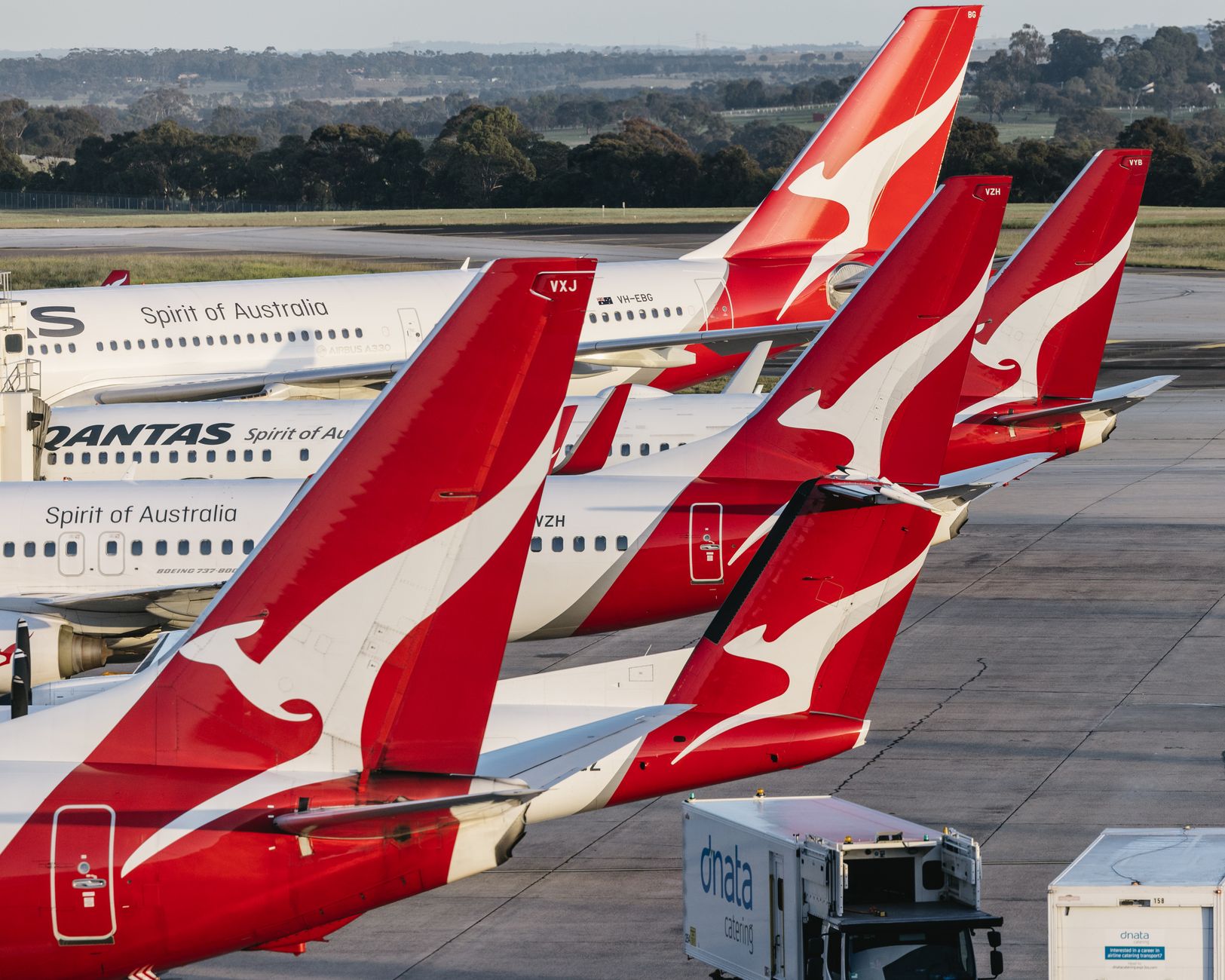
Qantas outsourcing jobs has become a significant topic as the airline joins others in relocating roles to India. This move raises concerns about job security and the implications for the Australian workforce.
Understanding Qantas’ Outsourcing Strategy
Qantas has recently come under scrutiny for its decision to outsource jobs, a move that reflects a wider trend among major corporations seeking to reduce costs. The airline has announced plans to transfer certain roles to India, raising concerns about the implications for the Australian workforce.
This outsourcing strategy is not new for Qantas, as the company has been gradually shifting various operational roles overseas. Critics argue that this approach undermines local employment opportunities and can lead to a decline in job security for Australian workers.
Key factors driving Qantas’ outsourcing jobs include:
- Cost reduction in labor expenses
- Access to a larger talent pool
- Focus on core business operations while delegating support functions
While the airline contends that outsourcing can enhance efficiency, many employees and labor advocates express concerns about the long-term impact on job quality and employee morale. As Qantas navigates this controversial path, the conversation around the implications of outsourcing continues to grow.
Impact of Outsourcing on Australian Jobs
The impact of outsourcing on Australian jobs has sparked significant concern among workers and unions alike. Qantas outsourcing jobs has become a prominent issue, as many fear the potential loss of local employment opportunities.
Several studies indicate that outsourcing can lead to:
- Job Losses: Many skilled positions are moved overseas, resulting in fewer roles available for local workers.
- Wage Suppression: The competition from lower-wage countries often leads to stagnation in salary growth for domestic employees.
- Job Insecurity: The shift toward outsourcing creates an unstable work environment, leaving many workers anxious about their future.
- Decreased Job Quality: The focus on cost-cutting may lead to reduced benefits and poorer working conditions for remaining staff.
As Qantas joins the trend of outsourcing jobs, the long-term implications for the Australian workforce remain a pressing concern for many.
Why Companies Choose to Outsource
Many companies, including Qantas, choose to outsource jobs for various reasons, primarily focusing on cost reduction and efficiency. By transferring certain tasks to countries with lower labor costs, businesses can significantly reduce operational expenses.
Some of the key reasons companies opt for outsourcing include:
- Cost savings: Outsourcing often allows companies to pay lower wages, which can lead to substantial savings on payroll expenses.
- Access to specialized skills: Companies may find it more efficient to hire experts in specific fields from around the world rather than training in-house staff.
- Increased focus on core activities: By outsourcing non-core functions, companies like Qantas can concentrate resources on their primary business objectives.
- Flexibility and scalability: Outsourcing enables businesses to quickly scale operations up or down based on market demands.
However, the decision to outsource jobs, as seen with Qantas, often raises concerns regarding job security and economic impact on local communities.
Employee Reactions to Qantas’ Decision
Employees of Qantas have expressed strong dissatisfaction with the company’s recent decision to outsource jobs, highlighting the negative consequences for workers. Many staff members feel that the move undermines job security and diminishes the quality of service. One flight attendant stated, “It feels like our hard work is being undervalued, and our roles are being handed over to cheaper labor overseas.”
Furthermore, the decision has sparked protests among union groups, who argue that outsourcing jobs could lead to significant layoffs and reduced benefits for current employees. Union representative Sarah Johnson commented, “This trend of Qantas outsourcing jobs is alarming, and we are fighting to protect Australian jobs.”
In response to the backlash, Qantas has maintained that outsourcing is necessary for maintaining competitive pricing and operational efficiency. However, employees are concerned about the long-term impact on the workforce and the potential loss of institutional knowledge. As the situation unfolds, many are left wondering what the future holds for Qantas employees.
Future of the Airline Industry and Outsourcing
The future of the airline industry is increasingly intertwined with the practice of outsourcing, as seen in Qantas outsourcing jobs to India. This trend raises significant concerns about its sustainability and impact on both employees and the industry as a whole.
Many experts believe that outsourcing can lead to short-term cost savings for airlines, but the long-term effects may be detrimental. Key considerations include:
- Loss of Expertise: Outsourcing critical roles may result in a decline in operational knowledge and skills within the airline.
- Employee Morale: The decision to outsource can lead to decreased morale among remaining staff, who may feel insecure about their jobs.
- Customer Service: A shift in job locations could affect the level of customer service, as outsourced positions may not align with the company’s values.
- Regulatory Challenges: Airlines may face increased scrutiny and regulatory challenges as they navigate international labor laws.
Ultimately, the implications of Qantas’ outsourcing strategy extend beyond immediate financial benefits, shaping the broader landscape of the airline industry.
The recent analysis highlights how Qantas outsourcing jobs has led to significant layoffs and job insecurity among its workforce. Many employees express concern that Qantas outsourcing jobs will further erode their rights and benefits.
Photo by Josh Withers on Pexels