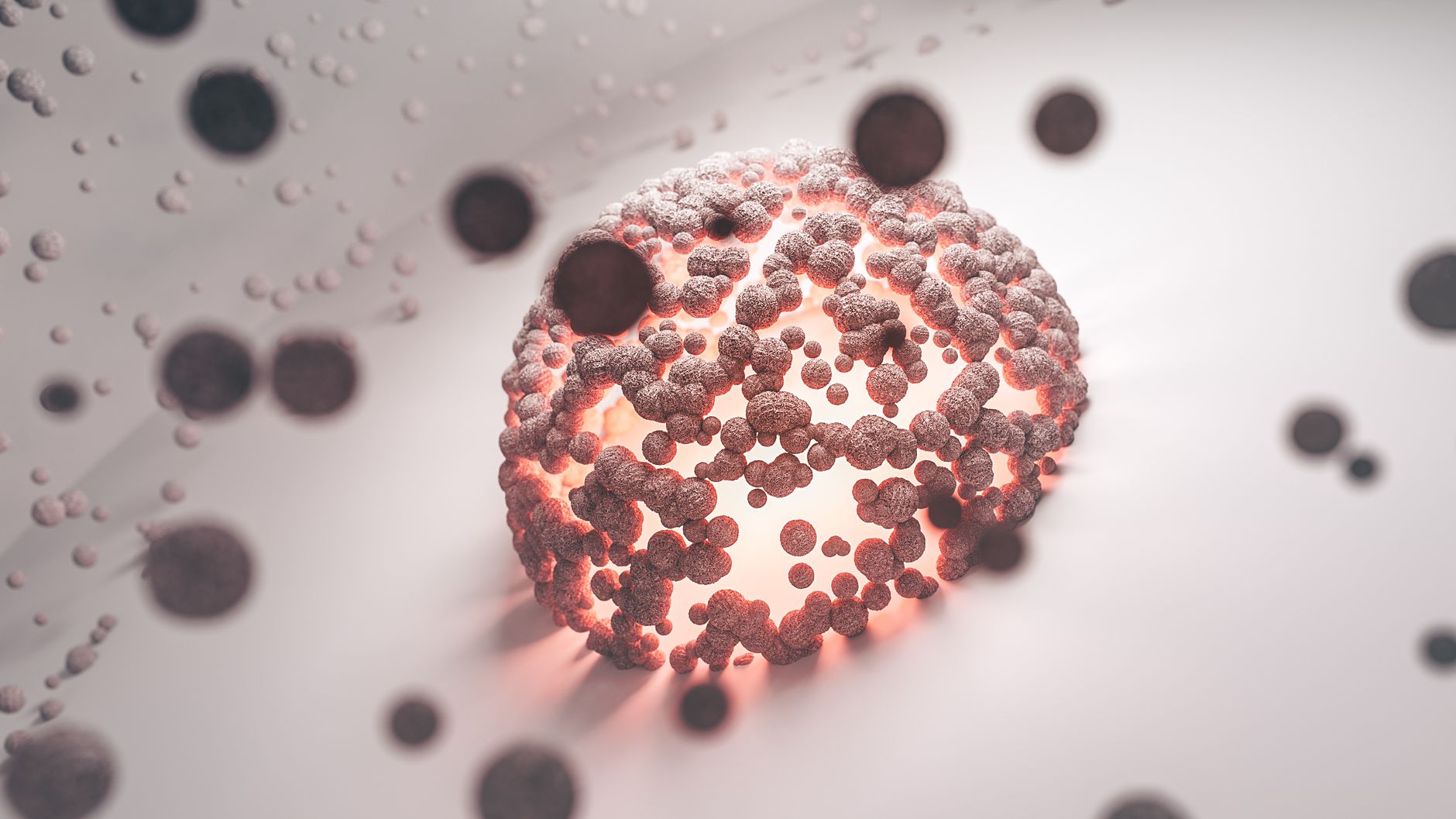


Methane-eating microbes are at the forefront of a groundbreaking discovery, as they have been successfully grown on electrodes to build electrically conductive nanowires.
What Are Methane-Eating Microbes?
Methane-eating microbes are a group of microorganisms that play a crucial role in the environment by consuming methane, a potent greenhouse gas. These microbes utilize methane as their primary source of carbon and energy, contributing to the reduction of greenhouse gas emissions. They are typically found in environments rich in methane, such as wetlands, landfills, and the guts of ruminants.
Recent research has highlighted an innovative aspect of these microbes: they can grow on electrodes, allowing them to produce electrically conductive nanowires. This discovery opens up new possibilities for biotechnological applications, including bioenergy production and environmental remediation. The ability of methane-eating microbes to create nanowires demonstrates their potential beyond traditional roles, showcasing their versatility and importance in both ecological and technological contexts.
How Do These Microbes Work?
Methane-eating microbes, also known as methanotrophs, utilize methane as their primary energy source. These unique organisms possess specialized enzymes that enable them to convert methane into carbon dioxide through a process called methanotrophy. As they metabolize methane, they can also produce extracellular structures, including electrically conductive nanowires.
These nanowires are formed by the microbes as they grow on electrodes, which facilitates electron transfer. This is crucial for their metabolism, as it allows the microbes to communicate with each other and share resources effectively. The conductive properties of the nanowires open up potential applications in bioenergy and bioremediation, showcasing the innovative capabilities of methane-eating microbes.
Researchers are exploring how to harness these processes for sustainable energy solutions, emphasizing the importance of understanding these microbes in environmental science.
The Process of Growing on Electrodes
The process of growing methane-eating microbes on electrodes involves a series of carefully controlled steps designed to maximize efficiency and output. Researchers first prepare the electrodes, ensuring they are suitable for microbial growth by treating their surfaces to enhance adhesion.
Once the electrodes are ready, methane-eating microbes are introduced into the environment. These microbes thrive by consuming methane and converting it into energy, which is then used to build electrically conductive nanowires. The unique metabolic processes of these microbes play a crucial role in this transformation.
- The electrodes provide a stable medium for growth.
- Microbial activity is monitored to optimize conditions.
- Nanowires are harvested for potential applications in electronics.
This innovative technique highlights the potential of methane-eating microbes in developing sustainable technologies.
Applications of Conductive Nanowires
The development of conductive nanowires from methane-eating microbes opens up exciting possibilities across various fields. These tiny structures can be utilized in:
- Energy Storage: Nanowires can enhance the performance of batteries and supercapacitors, leading to more efficient energy storage solutions.
- Electronics: The incorporation of these nanowires into electronic devices can improve conductivity and reduce energy loss, paving the way for faster and more efficient technology.
- Environmental Sensors: Conductive nanowires can be used in sensors to detect pollutants, providing a method to monitor environmental health.
- Biotechnology: These microbes and their conductive properties may lead to advances in bioengineering, creating new applications in health and medicine.
Overall, the versatility of methane-eating microbes in producing nanowires demonstrates their potential impact on future technological innovations.
Benefits of Using Microbes for Nanowires
The use of methane-eating microbes for building nanowires presents several significant benefits. Firstly, these microbes are capable of converting methane into valuable electrical energy, making them a sustainable choice for nanowire production. This process not only reduces greenhouse gas emissions but also utilizes waste methane, contributing to environmental conservation.
Additionally, the nanowires produced by these microbes exhibit excellent conductivity, which can enhance the performance of electronic devices. The ability to grow these microbes on electrodes allows for a cost-effective and scalable method of production. Furthermore, utilizing biological systems for nanowire synthesis promotes the development of eco-friendly technologies.
In summary, tapping into the capabilities of methane-eating microbes offers a promising avenue for advancing nanotechnology while supporting sustainable practices.
Challenges in Microbial Nanowire Production
Despite the promising prospects of methane-eating microbes in nanowire production, several challenges persist that hinder their widespread application. One significant issue is the efficiency of microbial growth on electrodes, which can affect the yield of conductive nanowires. Researchers must optimize conditions to ensure that these microbes thrive while simultaneously producing high-quality nanowires.
Additionally, controlling the structure and properties of the nanowires formed remains a complex task. Variations in environmental factors can lead to inconsistent results, making it necessary to establish standardized protocols for production. Furthermore, scaling up the process for industrial applications poses additional obstacles, as maintaining microbial health and activity becomes increasingly difficult.
As scientists continue to explore solutions, overcoming these challenges will be crucial for realizing the full potential of methane-eating microbes in nanotechnology.
Future of Microbial Biotechnology
The future of microbial biotechnology looks promising, particularly with the advancements in utilizing methane-eating microbes for innovative applications. Researchers are exploring the potential of these microorganisms not only for environmental remediation but also for creating sustainable technologies. The ability of these microbes to generate electrically conductive nanowires opens new avenues for energy storage and electronics.
As scientists continue to refine the processes involved, we may see increased efficiency in the production of nanowires, leading to broader commercialization. This could revolutionize various industries, including renewable energy and electronics. Moreover, integrating microbial processes into existing technologies could significantly reduce carbon footprints, aligning with global sustainability goals.
Continued research and development in this field will be crucial to overcoming current challenges and unlocking the full potential of methane-eating microbes in biotechnology.
Conclusion: The Potential Impact
In conclusion, the discovery of methane-eating microbes as a means to produce nanowires opens up exciting possibilities for the future of biotechnology. These microbes not only offer a sustainable method for creating conductive materials but also contribute to reducing greenhouse gas emissions. By harnessing their unique properties, researchers can develop innovative applications across various industries, from electronics to environmental remediation.
The potential impact of this breakthrough extends beyond just the production of nanowires. As the world increasingly seeks eco-friendly alternatives, methane-eating microbes could play a crucial role in addressing climate change while advancing technological development. Continued research and collaboration in this field may soon yield practical solutions that leverage these remarkable organisms, paving the way for a greener future.
- Sustainable production methods
- Environmental benefits
- Innovative applications
Photo by Monstera Production on Pexels