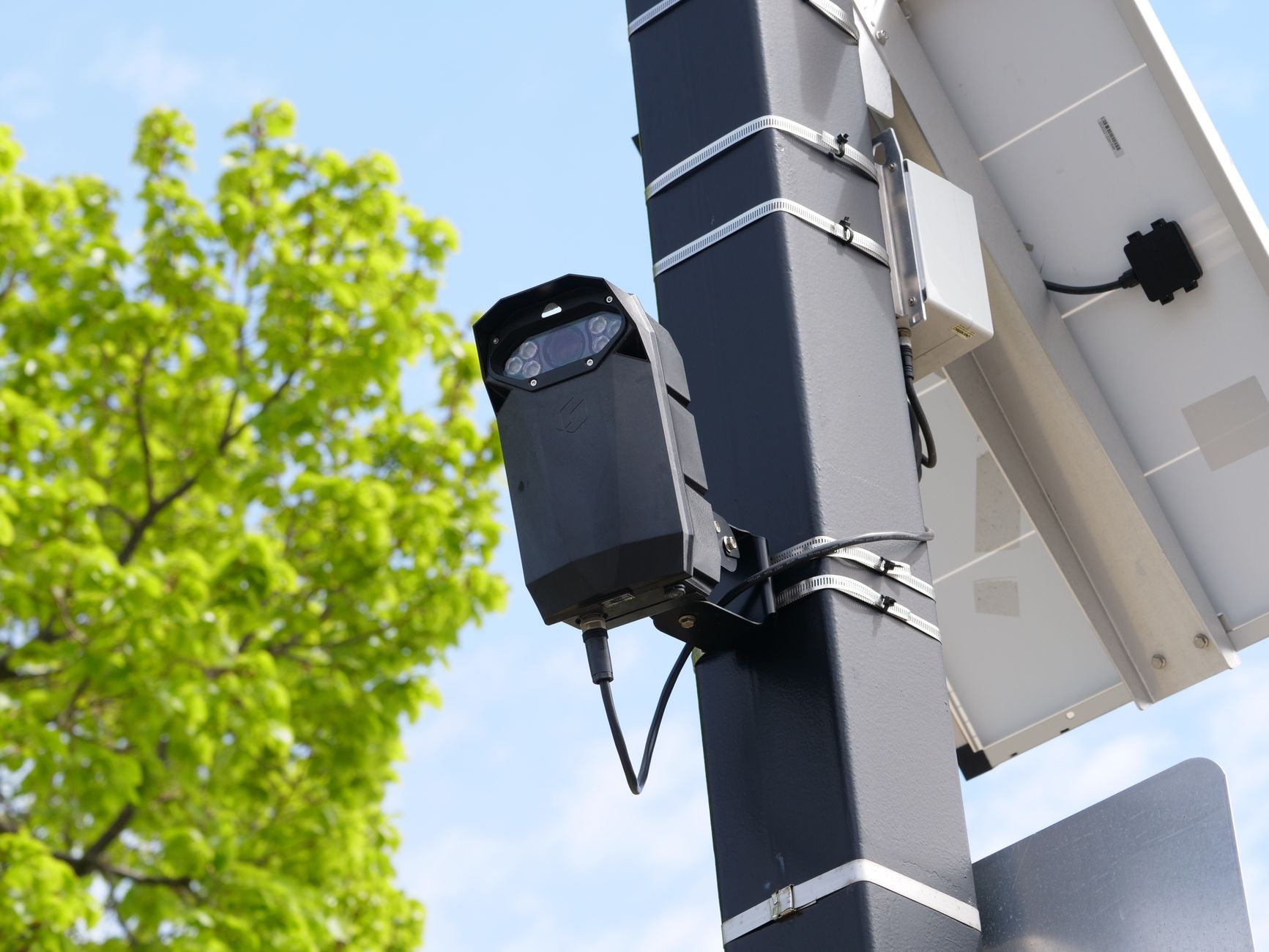

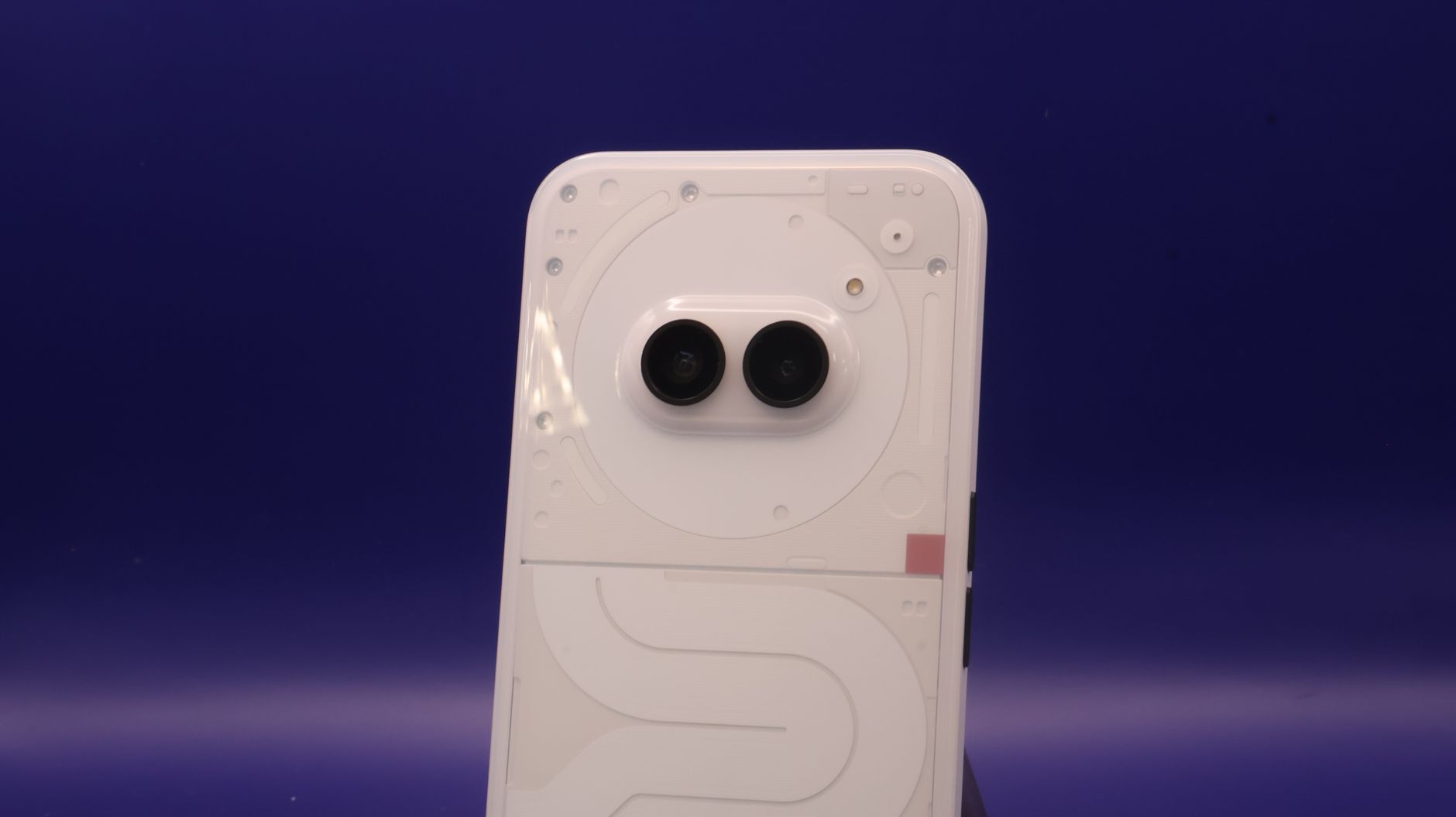
The Dual Vision Camera is a revolutionary tool designed for automated inspection, allowing users to capture wide-angle and magnified images with ease.
What is the Dual Vision Camera?
The Dual Vision Camera is a revolutionary imaging device designed to enhance inspection processes across various industries. This innovative camera features a unique combination of wide-angle and magnified imaging capabilities, allowing users to capture detailed images without the need for multiple devices. By integrating two distinct lenses into a single unit, the Dual Vision Camera simplifies the inspection workflow, reducing both time and effort.
One of the standout features of the Dual Vision Camera is its ability to switch seamlessly between different viewing modes. Users can easily capture expansive shots of equipment or environments while also zooming in on critical details that require closer examination. This versatility makes it an ideal tool for professionals in fields such as manufacturing, quality control, and maintenance.
Moreover, the Dual Vision Camera is equipped with advanced imaging technology, ensuring high-quality results in various lighting conditions. Its user-friendly interface makes it accessible for operators of all skill levels, further streamlining the inspection process. With the introduction of this dual-function camera, Nikon is setting a new standard for automated inspection solutions.
Key Features of the Dual Vision Camera
The newly launched Dual Vision Camera by Nikon offers a range of innovative features designed to enhance inspection processes across various industries. This advanced imaging solution combines wide-angle and magnified capabilities, ensuring that users can capture detailed images without the need for multiple devices.
- Dual Imaging Technology: The Dual Vision Camera utilizes cutting-edge technology that allows simultaneous capture of both wide-angle and close-up images, providing comprehensive views of the subjects being inspected.
- User-Friendly Interface: Designed with ease of use in mind, the camera features an intuitive interface that simplifies operations for users, allowing for quick adjustments and settings.
- High-Resolution Output: Delivering high-resolution images, the Dual Vision Camera ensures that even the smallest details are visible, which is critical for effective inspections.
- Versatile Applications: This camera is suitable for a variety of inspection tasks, ranging from industrial applications to everyday maintenance checks.
- Compact Design: Its sleek and lightweight design allows for easy portability, making it convenient for on-site inspections.
With these key features, the Dual Vision Camera stands out as a simple yet effective solution for inspection needs.
How Does the Dual Vision Camera Work?
The Dual Vision Camera operates by utilizing advanced optical technology to capture images from two distinct perspectives simultaneously. This innovative system combines a wide-angle lens with a magnified lens, allowing users to assess objects in detail without needing multiple cameras.
When the camera is activated, it employs a specialized sensor that processes images from both lenses at once. The resulting output provides clear, high-resolution images that showcase a broad view alongside intricate details. This dual functionality simplifies the inspection process, making it both efficient and effective.
Key components of the Dual Vision Camera’s operation include:
- Wide-angle mode: Captures expansive scenes, ideal for initial evaluations.
- Magnified mode: Focuses on specific areas, enabling thorough analysis of fine details.
- Seamless switching: Users can easily toggle between modes with a simple interface.
- Real-time processing: Delivers immediate results, facilitating quick decision-making.
In summary, the Dual Vision Camera’s dual functionality enhances inspection capabilities and improves overall productivity in various applications.
Benefits of Using the Dual Vision Camera
The introduction of the Dual Vision Camera has transformed the landscape of inspection processes across various industries. This innovative technology offers numerous benefits that enhance the efficiency and accuracy of inspections.
- Wide-Angle and Magnified Imaging: With the ability to capture both wide-angle and magnified images, the Dual Vision Camera provides a comprehensive view of inspection areas, allowing for thorough assessments without needing multiple devices.
- Increased Efficiency: The single-camera solution reduces the time spent switching between different cameras, streamlining the inspection process and allowing professionals to focus on analysis rather than equipment adjustments.
- Cost-Effective: By combining two functionalities into one device, businesses can save on costs associated with purchasing and maintaining multiple cameras.
- Enhanced Detection: The dual imaging capability improves the ability to detect defects and irregularities, leading to better-quality control and reduced errors during inspections.
- User-Friendly: Designed with simplicity in mind, the Dual Vision Camera is easy to operate, making it accessible for both seasoned professionals and those new to inspection technology.
Overall, the Dual Vision Camera stands out as a simple yet effective solution for modern inspection needs.
Comparing Traditional Cameras to Dual Vision
When evaluating inspection tools, the differences between traditional cameras and the Dual Vision Camera are striking. Traditional cameras typically rely on a single lens to capture images, which often limits their ability to provide both wide-angle views and detailed close-ups. This can lead to missed details and inefficient inspections.
In contrast, the Dual Vision Camera combines two lenses, allowing users to switch seamlessly between capturing broad perspectives and magnified details without changing equipment. This innovative design not only saves time but also enhances accuracy in inspections across various industries.
Some key comparisons include:
- Image Quality: Traditional cameras may struggle with clarity in small details, whereas the Dual Vision Camera excels in both close and distant shots.
- Flexibility: The dual lens system offers versatility, allowing users to adapt to different inspection scenarios without needing multiple devices.
- Efficiency: With the ability to capture comprehensive images in one shot, the Dual Vision Camera reduces the time spent on inspections compared to traditional methods.
In summary, the Dual Vision Camera represents a significant advancement in inspection technology, making it a practical choice for professionals seeking effectiveness and precision.
User Experience with the Dual Vision Camera
The user experience with the Dual Vision Camera has been overwhelmingly positive, particularly among professionals in various inspection fields. Users have reported significant improvements in efficiency and accuracy, thanks to the camera’s unique ability to capture both wide-angle and magnified images simultaneously. This feature allows inspectors to view an entire scene and focus on specific details without the need for multiple devices.
Many users appreciate the intuitive interface of the Dual Vision Camera, which simplifies the process of switching between views. Its lightweight design also enhances portability, making it easy to carry around job sites. Feedback indicates that operators can quickly adapt to the camera, reducing training time and increasing productivity.
In addition, users have highlighted the high-quality image output, which has proven invaluable for documentation and reporting purposes. With the Dual Vision Camera, inspectors can capture clear and precise images that effectively communicate their findings.
- Efficiency: Fast switching between captures.
- Portability: Easy to carry, enhancing fieldwork.
- Image Quality: Superior clarity for better reports.
Overall, the Dual Vision Camera is transforming the way inspections are conducted, offering a reliable and user-friendly solution.
Applications in Various Industries
The Dual Vision Camera has found diverse applications across multiple industries, revolutionizing the way inspections are conducted. Industries such as manufacturing, construction, and healthcare are leveraging this innovative technology for enhanced efficiency and accuracy.
- Manufacturing: In manufacturing, the Dual Vision Camera is utilized for quality control, enabling operators to capture both wide-angle and magnified images of products in a single shot. This capability minimizes the risk of oversight during inspections.
- Construction: In the construction sector, inspectors employ the Dual Vision Camera to evaluate structural integrity. It allows for detailed assessments of hard-to-reach areas without the need for extensive scaffolding or equipment.
- Healthcare: The healthcare industry benefits from the Dual Vision Camera in surgical settings, where precise imaging is critical. Surgeons can view the operation site in detail while maintaining a broader perspective of the surrounding environment.
- Aerospace: Aerospace engineers utilize this camera for inspecting airplane components, ensuring safety and compliance with rigorous standards.
With its versatility and efficiency, the Dual Vision Camera is quickly becoming an essential tool in many fields, driving innovation and improving inspection processes.
Future Innovations in Camera Technology
The field of camera technology is continuously evolving, and the introduction of the Dual Vision Camera marks a significant leap forward in innovation. As industries increasingly rely on advanced imaging solutions, future innovations are expected to enhance the capabilities of such devices further.
One potential area of development is the integration of artificial intelligence (AI) to improve image analysis and interpretation. By utilizing AI algorithms, cameras could automatically identify defects or irregularities in inspected objects, reducing human error and increasing efficiency.
Another exciting prospect is the enhancement of connectivity features. With the rise of the Internet of Things (IoT), future camera models may incorporate seamless cloud integration, allowing real-time data sharing and remote monitoring capabilities.
Moreover, advancements in sensor technology could lead to higher resolution images and improved low-light performance, broadening the applications of the Dual Vision Camera across various environments.
As manufacturers continue to push the boundaries of what is possible in camera technology, consumers can expect more sophisticated features that not only streamline inspection processes but also provide unprecedented insights into the products being evaluated.
Photo by Sam Basún on Pexels