

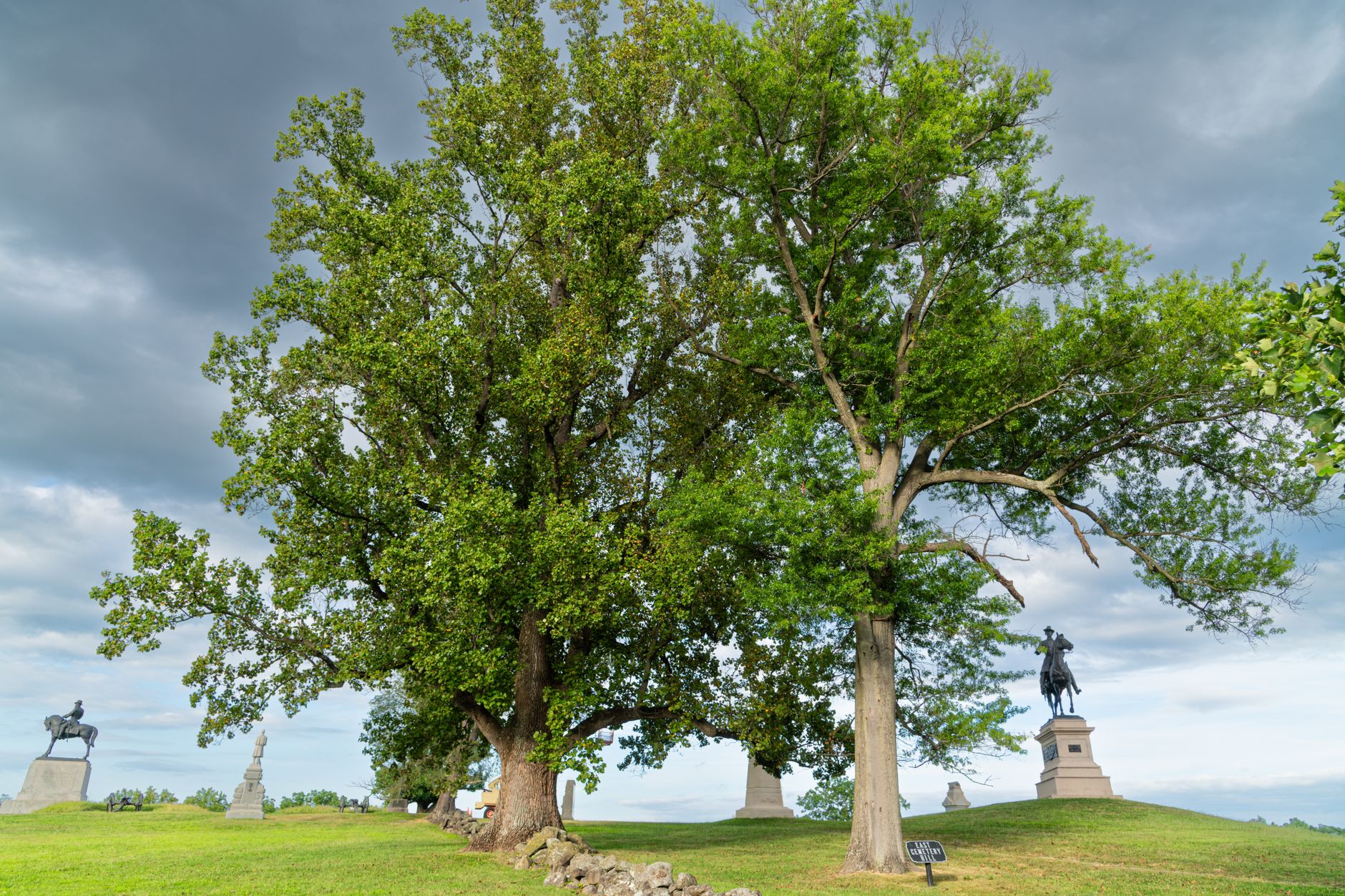
American historical landscapes are the focus of a landmark report released by the Jenrette Foundation, shedding light on their current state and future needs.
Overview of the Report
The recent report released by the Jenrette Foundation offers a comprehensive overview of the state of American historical landscapes. This landmark study highlights the significance of these landscapes in preserving cultural heritage and understanding national identity. The foundation emphasizes that American historical landscapes are not merely physical spaces; they encapsulate the stories and experiences that have shaped the nation.
In the report, key findings include:
- Assessment of Preservation Efforts: The report evaluates current initiatives aimed at maintaining and enhancing historical sites across the country.
- Impact of Urban Development: It discusses the challenges faced by historical landscapes due to rapid urbanization and the need for sustainable planning.
- Community Engagement: The importance of involving local communities in the preservation process is highlighted as essential for fostering a sense of ownership and pride.
- Economic Benefits: The report outlines how well-preserved historical landscapes can boost local economies through tourism and education.
Overall, this insightful report serves as a call to action for policymakers, historians, and the public to recognize the value of American historical landscapes and actively participate in their conservation.
Key Findings on Historical Landscapes
The recent report released by the Jenrette Foundation unveils significant insights into American historical landscapes, shedding light on their current state and the challenges they face. The findings highlight several key aspects that are crucial for preservation efforts.
- Increased Vulnerability: A notable percentage of historical landscapes are at risk due to urban development and climate change. The report emphasizes the urgent need for protective measures.
- Community Engagement: Successful preservation initiatives often involve local communities. Engaging residents in the stewardship of these landscapes fosters a deeper connection and commitment to their upkeep.
- Economic Impact: Historical landscapes contribute significantly to local economies through tourism. The report cites various case studies where preservation has led to increased visitor numbers and revenue.
- Education and Awareness: The report stresses the importance of educational programs that raise awareness about the value of preserving American historical landscapes. Informed communities are more likely to support preservation efforts.
Overall, the findings serve as a call to action for stakeholders at all levels to prioritize the protection and celebration of these vital components of American heritage.
Impact on Cultural Heritage
The recent report by the Jenrette Foundation highlights the profound impact on cultural heritage stemming from American historical landscapes. These landscapes serve not only as a backdrop to significant events but also as vital repositories of collective memory and identity.
According to the findings, the preservation of these sites is essential for maintaining the cultural fabric of the nation. The report emphasizes several key aspects:
- Educational Value: American historical landscapes provide rich educational opportunities, allowing individuals to engage with the past in meaningful ways.
- Tourism and Economy: Well-preserved landscapes attract tourists, boosting local economies and fostering community pride.
- Environmental Connection: Many historical landscapes are intertwined with natural features, highlighting the importance of ecological conservation alongside cultural preservation.
- Community Engagement: These sites often serve as focal points for community gatherings, fostering a sense of belonging and shared history.
The report ultimately calls for increased awareness and action to safeguard these invaluable resources, ensuring that future generations can appreciate the depth and richness of American historical landscapes.
Recommendations for Preservation
The recent report by the Jenrette Foundation highlights several crucial recommendations for the preservation of American historical landscapes. These strategies aim to sustain the integrity and significance of these sites for future generations.
- Strengthening Local Partnerships: Engaging local communities is vital. By fostering partnerships between government entities, historical societies, and community groups, the preservation efforts can gain broader support and resources.
- Implementing Educational Programs: Increasing awareness about the importance of American historical landscapes can inspire stewardship. Educational initiatives in schools and community centers can help cultivate appreciation and responsibility for these sites.
- Utilizing Technology: Modern technology can play a role in preservation. Utilizing digital mapping and 3D modeling can assist in documenting the current state of landscapes, making it easier to monitor changes and implement conservation strategies.
- Advocating for Funding: The report emphasizes the need for increased funding from both public and private sectors. Sustained financial support is essential for ongoing maintenance and restoration efforts.
By following these recommendations, stakeholders can ensure that American historical landscapes remain vibrant and accessible, enriching the cultural heritage for years to come.
Challenges Facing American Landscapes
The preservation of American historical landscapes faces numerous challenges that threaten their integrity and longevity. One of the primary issues is the ongoing urban development that encroaches on these vital sites, often leading to irreversible changes in their character and accessibility.
Additionally, climate change poses significant risks, with rising sea levels and extreme weather events threatening coastal and inland historical landscapes alike. These environmental changes not only damage physical structures but also disrupt the cultural narratives that these landscapes represent.
Another notable challenge is the lack of funding and resources dedicated to the maintenance and preservation of these sites. Many organizations struggle to secure the necessary financial backing to undertake restoration projects or to create awareness campaigns that could enhance public engagement.
Public interest and education also play crucial roles in the preservation of American historical landscapes. Without a strong community connection and appreciation for these sites, efforts to protect them may falter. Therefore, it is essential to foster a sense of stewardship among local populations to ensure these historical landscapes remain a vital part of America’s cultural heritage.
Addressing these challenges is paramount to safeguarding the historical landscapes that tell the story of America’s past.
Future of Cultural Sites
The future of cultural sites in the United States hinges on a combination of community involvement, innovative preservation strategies, and increased funding. As highlighted in the recent report by the Jenrette Foundation, American historical landscapes are at a critical juncture. Stakeholders must prioritize the integration of technology in preservation efforts to enhance visitor experiences while maintaining the integrity of these important sites.
Moreover, there is a growing recognition of the need for inclusive representation in the management of these landscapes. Efforts should focus on engaging local communities, particularly Indigenous populations, to ensure that the narratives surrounding these sites are comprehensive and reflective of diverse histories.
To achieve sustainability, partnerships between governmental entities, non-profit organizations, and private sectors are essential. These collaborations can lead to innovative funding solutions and resource sharing, ultimately strengthening the preservation framework. In addition, public awareness campaigns are vital for fostering appreciation for American historical landscapes, encouraging more visitors to connect with their heritage.
In conclusion, the report underscores that the future of American cultural sites depends on adaptive strategies, community engagement, and a commitment to preservation, ensuring these landscapes remain vital components of the nation’s identity.
Community Engagement Strategies
Community engagement plays a crucial role in the preservation and appreciation of American historical landscapes. The recent report by the Jenrette Foundation highlights several effective strategies to enhance community involvement in these vital cultural sites.
- Public Workshops: Organizing workshops allows community members to share their insights and connect with the historical significance of local landscapes.
- Volunteer Programs: Encouraging volunteers to participate in conservation efforts fosters a sense of ownership and pride among residents.
- Educational Outreach: Collaborating with schools to create educational programs about American historical landscapes can inspire younger generations to appreciate their heritage.
- Social Media Campaigns: Utilizing social media platforms can raise awareness and engage a broader audience in discussions about historical preservation.
- Partnerships with Local Organizations: Forming alliances with local nonprofit groups can amplify efforts to protect and promote historical landscapes.
These community engagement strategies not only strengthen local ties but also contribute to the sustainability of American historical landscapes. By fostering a collective sense of responsibility, communities can ensure that these cultural treasures are preserved for future generations.
Photo by Jay Brand on Pexels
Read the original
You might also like
Spain election polls: Is the Right Proven to Lead? · A.I. Celebrity Ads: The Best Proven Strategies for Success · Indian Captain Detained: Quick Steps for His Safe Return