

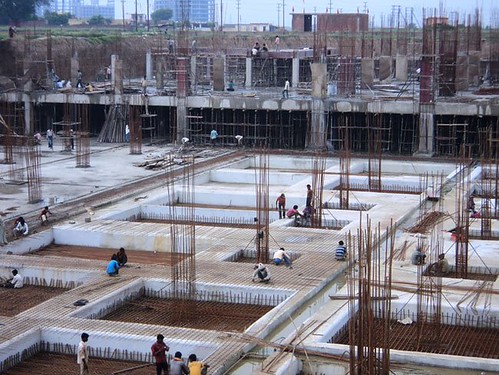
Public investment in India is on the rise as the country faces mounting external risks. This strategic move aims to bolster economic growth and ensure stability in uncertain times.
Overview of India’s Public Investment Strategy
In recent years, the Indian government has significantly increased its focus on public investment in India as a means to bolster economic growth and infrastructure development. This strategy aims to counteract external risks, including global economic uncertainties and geopolitical tensions, which could potentially impact the country’s economic stability.
The government’s commitment to enhancing public infrastructure is evident through various initiatives, including:
- Road and Transportation Projects: Major investments have been made to improve highways and public transport systems, facilitating better connectivity.
- Healthcare Infrastructure: Increased funding for healthcare facilities aims to ensure better access to medical services across urban and rural areas.
- Renewable Energy Initiatives: The push for sustainable energy sources is part of a broader strategy to address climate change and promote energy security.
This renewed emphasis on public investment in India is designed to stimulate economic activity, create jobs, and attract foreign direct investment. However, the government must navigate potential challenges, including managing public debt and ensuring efficient implementation of projects, to maximize the benefits of this strategic move.
Current Economic Climate in India
The current economic climate in India presents both opportunities and challenges as the nation navigates a complex landscape of global uncertainties. With inflationary pressures and geopolitical tensions affecting markets worldwide, India has strategically intensified its public investment initiatives. This approach aims to stimulate economic growth and create jobs, while also addressing infrastructure deficits that have long hindered progress.
Despite external risks, such as fluctuating commodity prices and supply chain disruptions, the Indian government remains committed to bolstering public investment in key sectors. This commitment is reflected in several initiatives, including:
- Infrastructure Development: Significant funding is being directed towards roads, railways, and urban development projects.
- Healthcare Expansion: Increased investments in health infrastructure to enhance the quality of services and accessibility.
- Green Energy Initiatives: A focus on sustainable energy projects to promote environmental sustainability and energy security.
As the government prioritizes public investment in India, the aim is not only to mitigate current economic challenges but also to lay the groundwork for long-term growth and resilience in an ever-evolving global economy.
Impact of External Risks on India
As India increases its public investment strategy, it faces a myriad of external risks that could affect its economic growth. The global landscape is characterized by fluctuating commodity prices, geopolitical tensions, and the lingering effects of the COVID-19 pandemic. These factors contribute to uncertainty, making it crucial for India to navigate carefully.
The impact of these external risks on public investment in India can be summarized as follows:
- Commodity Price Volatility: The rising cost of essential imports, such as oil and food, can strain India’s fiscal budget, potentially diverting funds from critical infrastructure projects.
- Geopolitical Tensions: Escalating tensions in regions like Eastern Europe and the Middle East can disrupt trade routes and affect foreign investment, which is vital for sustaining public projects.
- Global Economic Slowdown: A downturn in major economies can reduce demand for Indian exports, impacting revenue and limiting the government’s ability to finance public investment initiatives.
Despite these challenges, the Indian government remains committed to boosting public investment, viewing it as a smart move amid risks. The focus is on creating a resilient economy capable of withstanding external shocks while fostering long-term growth.
Government Initiatives to Boost Investment
The Indian government has introduced several initiatives aimed at enhancing public investment in India, recognizing its potential to stimulate economic growth and infrastructure development. These initiatives focus on various sectors, including transportation, healthcare, and education, ensuring comprehensive development across the nation.
Key initiatives include:
- National Infrastructure Pipeline (NIP): Launched to enhance investment in infrastructure projects worth over $1.4 trillion, aimed at boosting connectivity and economic activity.
- Pradhan Mantri Awas Yojana: This initiative seeks to provide affordable housing for all, increasing public investment in urban development and improving living standards.
- Make in India: Aimed at encouraging domestic and foreign investment, this campaign promotes manufacturing and job creation, thus enhancing overall economic stability.
- Digital India: With a focus on improving digital infrastructure, this initiative supports technology-driven sectors, fostering innovation and efficiency.
By implementing these initiatives, the government aims to mitigate the impact of external risks while promoting sustainable growth through robust public investment in India. This strategic approach is pivotal for maintaining economic resilience in challenging times.
Future Prospects for Indian Economy
The future prospects for the Indian economy appear promising as the government continues to emphasize public investment in India. With increased capital allocation across various sectors, the country is poised to harness growth opportunities that can invigorate its economic landscape.
Experts predict that sustained public investment will play a crucial role in driving infrastructure development, enhancing productivity, and creating jobs. These initiatives are expected to bolster domestic demand, which is essential for economic resilience in the face of global uncertainties.
As the government focuses on digitalization and green energy, new avenues for investment are emerging. Smart cities, renewable energy projects, and advanced manufacturing facilities are just a few areas where public funds are expected to make a significant impact.
However, challenges remain. The successful execution of public investment projects depends on effective governance, transparency, and the ability to mitigate risks associated with implementation delays. As the government navigates these complexities, the commitment to enhancing public investment presents a strategic pathway for long-term economic stability and growth.
In conclusion, while risks are present, the proactive approach towards public investment in India could very well transform the economic outlook for years to come.
Comparative Analysis with Other Nations
A comparative analysis of public investment in India with other nations reveals both the challenges and opportunities the country faces. Several emerging economies have adopted aggressive public investment strategies to stimulate growth, particularly in infrastructure and social sectors. For instance, China has consistently allocated a substantial portion of its GDP to public investment, resulting in rapid urbanization and technological advancement.
In contrast, Brazil has struggled with public investment due to political instability and fiscal constraints. Despite having significant potential for growth, their investment in infrastructure has lagged, impacting overall economic performance. This comparison highlights the necessity for India to maintain a steady course in its public investment strategy to avoid similar pitfalls.
Moreover, countries like Indonesia have successfully leveraged public investment to enhance their economic resilience, focusing on sectors such as renewable energy and transportation. India’s focus on public investment is essential to not only boost immediate economic recovery but also to lay a sustainable foundation for future growth. As external risks mount, the importance of a robust public investment in India becomes increasingly evident, serving as a catalyst for long-term development and stability.
Expert Opinions on Investment Trends
Experts agree that increased public investment in India is a crucial strategy for economic resilience, especially in the face of mounting external risks. According to Dr. Aditi Sharma, an economist at the National Institute of Economic Studies, “Public investment in India not only stimulates growth but also creates jobs, which is essential for the country’s recovery post-pandemic.” She emphasizes that infrastructure projects, particularly in transport and energy, are critical areas that require sustained funding.
Furthermore, Mr. Ravi Kumar, a financial analyst, highlights the importance of public-private partnerships (PPPs) in maximizing the effectiveness of public investment. “By leveraging private expertise and capital, the government can enhance project delivery and efficiency,” he notes. This collaborative approach can especially benefit sectors like healthcare and education, which have seen significant public funding recently.
However, some experts warn of potential pitfalls. Dr. Neha Joshi, a policy researcher, cautions, “While public investment is necessary, the government must ensure transparency and accountability to avoid wastage of resources.” Balancing ambition with prudence will be essential for India to fully realize the benefits of its public investment strategy.
By Earth Infrastructures via Openverse