

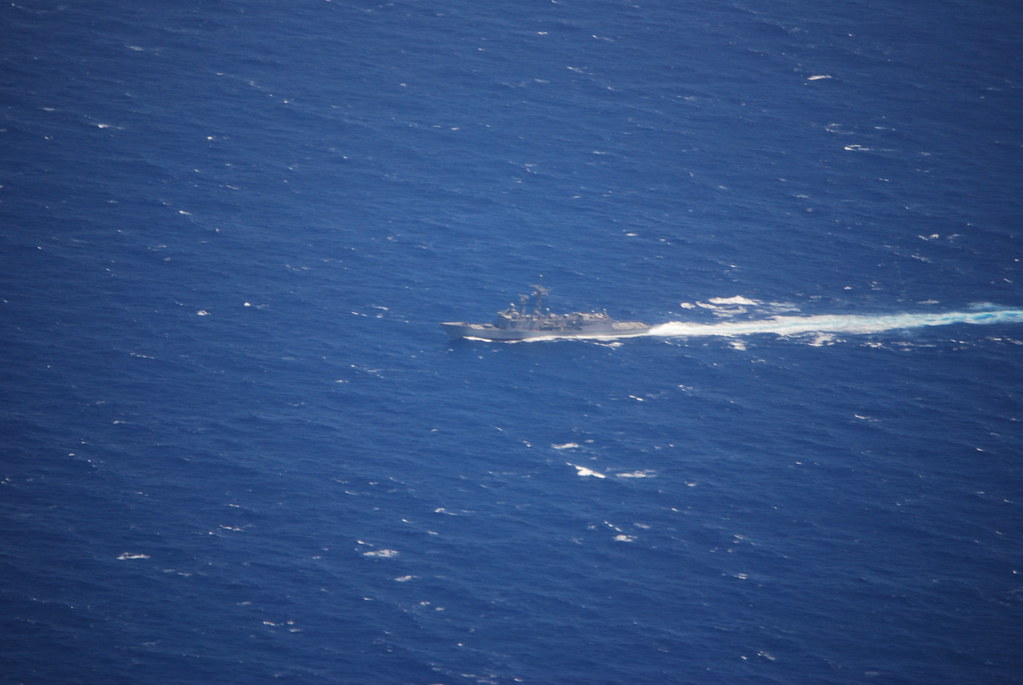
Hormuz tanker attacks are escalating as Iran continues to exert pressure following the recent US vote. This situation raises significant concerns for global shipping and security.
Background on Hormuz Strait
The Hormuz Strait, a vital waterway connecting the Persian Gulf to the Gulf of Oman, is one of the world’s most strategic maritime routes. It is a critical passage for oil and gas shipments, with approximately 20% of global oil trade transiting through this narrow strait. The geopolitical significance of the Hormuz Strait has made it a flashpoint for tensions, particularly involving Iran and its regional adversaries.
In recent years, incidents such as the Hormuz tanker attacks have heightened concerns over security in the area. These attacks have been attributed to rising hostilities between Iran and the United States, especially following key political events. As sanctions have tightened, Iran has reportedly used its military capabilities to threaten vessels in the strait, aiming to assert its influence.
Given the reliance of many nations on energy supplies from this region, the stability of the Hormuz Strait remains critical for global markets and international relations.
Recent US Vote Implications
In the wake of the recent US vote, the implications for shipping security in the Hormuz Strait have become increasingly concerning. Analysts warn that the Hormuz tanker attacks may escalate tensions in an already volatile region, leading to potential disruptions in global oil supply.
The US decision has drawn reactions from various international stakeholders, prompting a re-evaluation of security protocols in the area. Key points include:
- Increased Military Presence: The US may bolster its naval presence to deter further incidents.
- International Cooperation: Countries reliant on oil transit through the Strait are likely to seek collaborative security measures.
- Economic Ramifications: Any sustained attacks could lead to rising oil prices, affecting global markets.
As the situation develops, the international community remains on high alert, acutely aware that the risks associated with the Hormuz tanker attacks extend beyond regional borders, impacting worldwide energy stability.
Iran’s Response to US Actions
In the wake of the recent US vote, Iran has ramped up its aggressive posture in the Strait of Hormuz, leading to heightened tensions in the region. The Iranian government has publicly condemned the US actions, viewing them as provocations that threaten regional stability. In response, Iranian forces have carried out a series of operations targeting commercial vessels, a move interpreted as a demonstration of power and a warning against foreign interference.
Officials in Tehran have emphasized that these Hormuz tanker attacks are a direct reaction to perceived threats from the US and its allies. Iran’s military has vowed to protect its interests in the area, asserting that any attempt to restrict shipping lanes will be met with force. This situation has raised concerns among global shipping companies and nations reliant on oil transported through the strait.
The implications of this ongoing conflict extend beyond regional borders, affecting global oil prices and security policies.
Impact on Global Shipping
The recent Hormuz tanker attacks have raised significant concerns regarding the stability of global shipping routes. The Strait of Hormuz is a critical passage for oil and gas shipments, with approximately 20% of the world’s oil trade passing through this narrow waterway.
As tensions escalate, shipping companies are facing increased risks when navigating these waters. Many are considering alternative routes, which could lead to longer transit times and higher costs. The impact on oil prices is already evident, as fear of supply disruptions has resulted in fluctuations in the market.
Furthermore, maritime insurers are reassessing their coverage in the region, potentially leading to increased premiums for shipping operations. These developments could further exacerbate the already fragile global economy, as higher shipping costs may be passed down to consumers.
In summary, the repercussions of the Hormuz tanker attacks extend far beyond regional tensions, posing real risks to global trade and economic stability.
Security Measures in Place
In response to the rising tensions in the region, various security measures have been implemented to safeguard vessels navigating the Hormuz Strait amidst the ongoing threat of Hormuz tanker attacks. These measures aim to ensure the safety of maritime routes crucial for global trade.
Among the key initiatives are:
- Increased Naval Presence: Both the US and allied nations have boosted their naval deployments in the area to deter potential aggression and provide a protective umbrella for commercial shipping.
- Intelligence Sharing: Enhanced cooperation among countries has led to improved intelligence sharing regarding threats in the Strait, allowing for timely warnings and strategic responses.
- Escorted Convoys: Tankers are increasingly opting for military escorts through the Strait, a tactic aimed at minimizing the risk of attacks while navigating these perilous waters.
As tensions persist, these measures will be critical in mitigating risks and ensuring the uninterrupted flow of goods through one of the world’s most vital maritime corridors.
Future of Middle East Relations
The future of Middle East relations remains precarious as tensions escalate following the recent Hormuz tanker attacks. The ongoing maritime incidents highlight the fragility of diplomatic ties in the region, as nations grapple with the implications of Iran’s assertive strategies.
Several key factors will shape the landscape:
- Geopolitical Alliances: Countries may gravitate towards new alliances based on security needs, with some nations reconsidering their relationships with the U.S. and its adversaries.
- Economic Impact: The stability of oil supplies from the Gulf is crucial; disruptions could lead to increased prices and economic strain worldwide.
- International Response: The global community’s approach to Iran’s actions will be pivotal. Will countries impose stricter sanctions or seek diplomatic solutions?
As the situation unfolds, the potential for further Hormuz tanker attacks could ignite more severe conflict, making it essential for leaders to pursue dialogue to prevent escalation.
By wbaiv via Openverse
Where this came from
Nasdaq Correction Fears: Real Insights on Market Trends · Einstein’s Relativity Test: Proven Insights from Deep Sea · Trump Midterm Defeat: The Real Impact on Modi and India