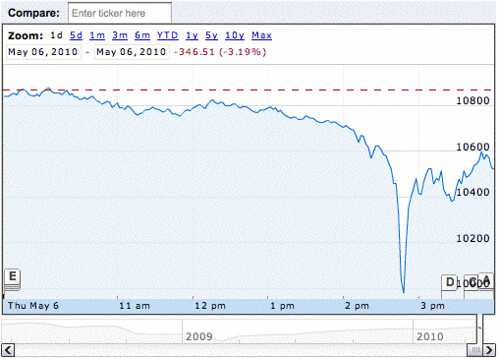

Nasdaq correction fears are rising amid concerns over AI spending. Investors are closely monitoring market trends as uncertainty looms.
Understanding the Nasdaq Correction
The recent volatility in the Nasdaq has sparked correction fears among investors. Analysts are closely observing market trends as concerns over AI spending begin to surface. Many experts believe that a correction may be imminent, driven by a combination of factors affecting tech stocks.
Key indicators suggest that the market may be overheated, and a pullback could be on the horizon. Investors should consider the following elements:
- AI Investment Trends: Companies are reevaluating their budgets for AI technology.
- Market Overvaluation: Some tech stocks are trading at unsustainable levels.
- Economic Indicators: Rising interest rates could impact growth stocks negatively.
Understanding these dynamics is crucial for navigating the current landscape and preparing for potential Nasdaq correction fears.
The Impact of AI Spending
The recent surge in AI spending has raised significant concerns among investors, contributing to Nasdaq correction fears. Companies across various sectors are investing heavily in artificial intelligence technologies, but this rapid growth has also led to scrutiny about sustainability and profitability.
Several factors are influencing the market’s response:
- High Valuations: Many tech stocks are trading at elevated price-to-earnings ratios, prompting worries that a correction could be imminent.
- Profitability Concerns: Investors are questioning whether these AI investments will lead to tangible profits or if they are simply fueling speculation.
- Market Volatility: The ongoing fluctuations in the Nasdaq have made investors wary, as they assess the broader implications of increased spending in the tech sector.
As the situation evolves, stakeholders are closely monitoring these trends to gauge the potential for a market correction.
Market Reactions to Economic News
As economic indicators continue to fluctuate, market reactions have become increasingly volatile. Investors are particularly concerned about the implications of rising interest rates and inflation, leading to heightened Nasdaq correction fears. The tech-heavy index has shown signs of instability as major companies report disappointing earnings and slower growth projections.
Recent news has prompted traders to reassess their strategies, focusing on sectors that exhibit resilience amidst uncertainty. Key market reactions include:
- Increased volatility: A surge in trading activity has been observed as investors react to economic reports.
- Sector rotation: Funds are shifting away from high-growth tech stocks toward more stable investments.
- Heightened caution: Many are adopting a wait-and-see approach before making significant investments.
Overall, these trends reflect a growing apprehension about the future trajectory of the Nasdaq.
Investing Strategies During Corrections
As Nasdaq correction fears loom, investors are advised to adopt strategies that can help navigate turbulent market conditions. Understanding the cyclical nature of the stock market is crucial for maintaining a balanced portfolio.
- Diversification: Spreading investments across different sectors can reduce risk and cushion against market volatility.
- Defensive Stocks: Focusing on companies with stable earnings, such as utilities or consumer staples, can offer safer havens during corrections.
- Dollar-Cost Averaging: Regularly investing a fixed amount can help mitigate the impact of market fluctuations.
- Stay Informed: Keeping abreast of economic indicators and market trends is key to making informed decisions.
Ultimately, remaining calm and employing these strategies can aid investors in weathering the storm of a potential Nasdaq correction.
Expert Opinions on Future Trends
As Nasdaq correction fears loom, experts are weighing in on potential future trends. Many analysts suggest that the tech-heavy index may continue to face volatility in the coming months. Mark Thompson, a financial strategist, emphasizes the importance of economic indicators, stating, “Investors should closely monitor inflation rates and interest rate adjustments.”
Additionally, Linda Chen, a market analyst, highlights the role of corporate earnings, noting, “Strong earnings reports could stabilize market sentiment, but any signs of weakness may exacerbate correction fears.”
Furthermore, David Kim, a portfolio manager, points out that diversification remains crucial during this period. He advises investors to consider a mix of sectors to mitigate risks associated with a potential Nasdaq correction.
Overall, the consensus is that staying informed and adaptable will be key in navigating these uncertain market conditions.
Historical Context of Market Corrections
Market corrections are not uncommon in the history of the Nasdaq, with several notable downturns shaping investor sentiment. Historically, periods of rapid growth are often followed by corrections, leading to fears among investors about the potential for significant losses. These corrections can be triggered by various factors, including economic shifts, changes in technology, and evolving investor expectations.
In the past, corrections have served as a reality check for overvalued stocks, often resulting in a necessary recalibration of market prices. Recently, as Nasdaq correction fears rise due to concerns over AI spending, many analysts urge caution. Understanding past corrections can provide valuable insights into current market dynamics, helping investors navigate these uncertain waters.
- Dot-com bubble burst in 2000
- Financial crisis of 2008
- COVID-19 market crash in 2020
What Investors Should Watch For
As Nasdaq correction fears escalate, investors should remain vigilant about several key indicators that could signal further market movements. First, watch for economic data releases, particularly related to inflation and employment rates, as these figures can significantly influence investor sentiment.
Additionally, keep an eye on corporate earnings reports. A dip in earnings, especially from major tech firms, may amplify concerns regarding the sustainability of growth during an economic slowdown.
Furthermore, monitor the volatility index (VIX), as spikes in this index often indicate heightened uncertainty in the market. Finally, consider the trends in AI spending, as shifts in investment towards technology could either alleviate or exacerbate Nasdaq correction fears. Staying informed on these aspects may help investors navigate the current economic landscape effectively.