

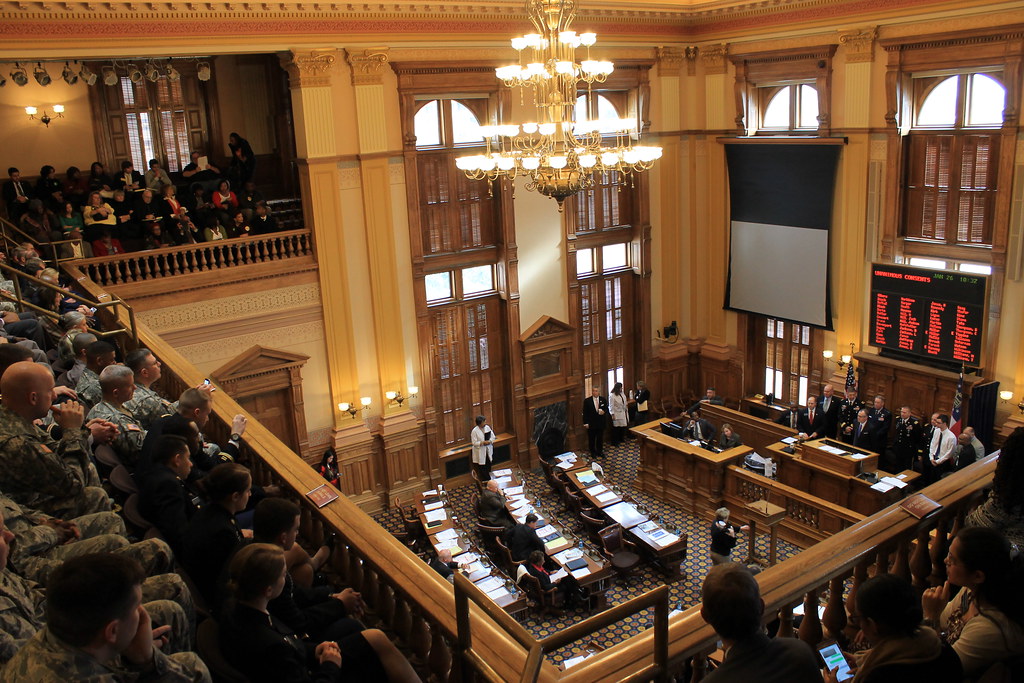
Georgia Senate Seat updates reveal that Jon Ossoff has successfully retained his position during the 2026 Midterm Elections, as polls continue to close across the state.
Overview of the 2026 Midterm Elections
The 2026 Midterm Elections are shaping up to be a pivotal moment for many candidates, including Jon Ossoff, who is currently vying to retain the Georgia Senate Seat. With various polls closing, voters are closely monitoring the outcomes that could influence the balance of power in the U.S. Senate.
As election day approaches, several key factors are coming into play:
- Voter Turnout: High participation rates are crucial for candidates hoping to secure victory in tight races.
- Campaign Strategies: Candidates are refining their approaches to address the concerns of Georgia’s diverse electorate.
- Key Issues: Topics such as healthcare, education, and economic recovery will likely dominate discussions and influence voter decisions.
Ossoff’s campaign focuses on his record and vision for Georgia, aiming to reassure voters of his commitment to their needs. As the landscape evolves, the Georgia Senate Seat remains a critical focal point in the broader narrative of the upcoming midterms.
Key Candidates in the Georgia Senate Race
The race for the Georgia Senate Seat is heating up as several key candidates emerge to challenge incumbent Jon Ossoff in the upcoming 2026 midterm elections. With Ossoff’s recent victory and growing popularity, potential opponents are evaluating their chances to unseat him.
- Stacey Abrams: A prominent figure in Georgia politics, Abrams has a solid base of support and a track record of mobilizing voters, making her a formidable candidate.
- David Perdue: The former senator is considering a comeback, leveraging his previous experience and conservative backing to attract voters.
- Raphael Warnock: While not directly opposing Ossoff, the popular pastor and senator’s influence could play a significant role in shaping the race dynamics.
- Local Activists: Several grassroots candidates are also emerging, aiming to bring new perspectives and challenging the traditional political landscape.
As the political landscape evolves, the competition for the Georgia Senate Seat promises to be intense and closely watched.
Georgia Senate Seat: Ossoff’s Campaign Strategies
Jon Ossoff’s campaign strategies for the Georgia Senate seat have evolved significantly since he first took office. As he gears up for the 2026 midterm elections, he is focusing on several key approaches to strengthen his position.
- Grassroots Mobilization: Ossoff is prioritizing grassroots efforts to engage voters. His team is leveraging social media platforms to connect with younger demographics, ensuring a broad reach.
- Policy Advocacy: He is emphasizing his commitment to vital issues such as healthcare, climate change, and economic recovery. By positioning himself as a champion for these causes, he aims to resonate with a diverse electorate.
- Coalition Building: Building coalitions with local organizations and community leaders is a cornerstone of his strategy. This approach not only boosts voter turnout but also fosters trust and collaboration.
As Ossoff navigates the complexities of the Georgia Senate seat race, these strategies reflect his determination to remain a strong contender in the upcoming elections.
Voter Turnout and Its Impact
As the 2026 Midterm Elections approach, voter turnout will play a crucial role in determining the outcome of the Georgia Senate Seat. Historically, higher voter engagement has favored Democratic candidates, which bodes well for Jon Ossoff’s campaign. However, mobilizing the electorate remains a challenge.
Strategies to increase voter participation are essential for Ossoff’s success. His campaign has focused on:
- Grassroots Outreach: Engaging local communities through town halls and neighborhood initiatives.
- Digital Campaigning: Utilizing social media platforms to reach younger voters and disseminate information quickly.
- Voter Education: Ensuring that constituents are informed about voting procedures and deadlines.
According to recent polls, a significant portion of the electorate remains undecided. Therefore, addressing key issues such as healthcare, education, and economic recovery will be vital. As voter turnout increases, Ossoff’s ability to connect with constituents will likely determine the fate of the Georgia Senate Seat.
Live Polling Updates
As the 2026 Midterm Elections approach, live polling updates indicate a dynamic race for the Georgia Senate Seat. Recent surveys show that Jon Ossoff, the incumbent, is maintaining a narrow lead against his primary challengers.
Pollsters are highlighting several key factors influencing voter sentiment:
- Voter Enthusiasm: Many voters express strong support for Ossoff, citing his focus on healthcare and education as critical issues.
- Demographic Shifts: Young voters are increasingly participating in the polls, which could benefit Ossoff’s campaign strategies.
- Opposition Campaigns: Challengers are ramping up their outreach, making the race highly competitive.
As the election date nears, analysts will closely monitor how these factors evolve and impact the final outcome for the Georgia Senate Seat. Voter engagement and turnout will be crucial in determining if Ossoff can retain his position in the upcoming elections.
What This Means for Future Elections
The retention of the Georgia Senate Seat by Jon Ossoff signals significant implications for future elections in the state and beyond. As Ossoff solidifies his position, political analysts are closely monitoring how this victory may influence voter sentiment and party strategies heading into the 2026 Midterm Elections.
Ossoff’s campaign has successfully galvanized support among diverse demographics, showcasing the importance of voter engagement. His ability to connect with younger voters and marginalized communities may set a precedent for future candidates aiming for the Georgia Senate Seat. This factor could redefine campaign tactics and messaging in subsequent races.
Moreover, the outcome of this election may embolden other Democratic candidates across the nation, prompting them to adopt similar approaches. As the political landscape continues to evolve, the lessons learned from Ossoff’s campaign could be pivotal in shaping strategies for ensuring voter turnout and addressing key issues that resonate with constituents.
In a time of increasing polarization, the implications of this election will likely echo throughout the upcoming election cycles.
By Georgia National Guard via Openverse