
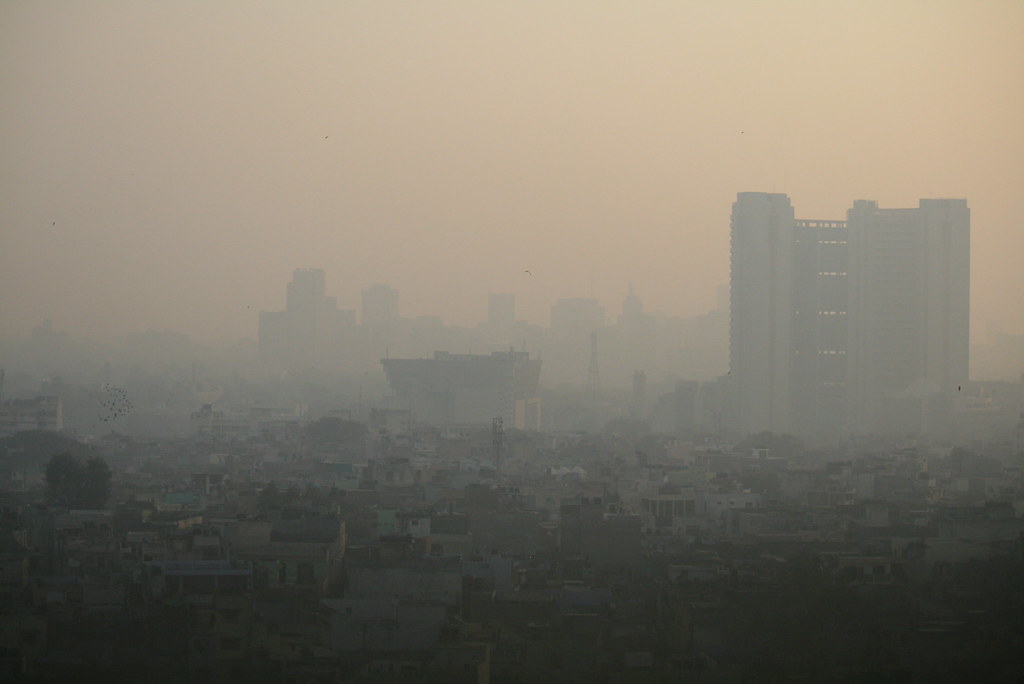
Delhi pollution is a pressing issue that affects millions of residents daily. Understanding its impact on health and the environment is crucial for everyone.
Understanding Delhi pollution
Delhi pollution has become a pressing issue that affects millions of residents in the capital city. The air quality often deteriorates, especially during the winter months when particulate matter levels spike due to various factors.
Understanding the sources and effects of this pollution is crucial for public health. The primary contributors to the high pollution levels in Delhi include:
- Vehicular emissions: The increasing number of vehicles on the roads leads to higher emissions of harmful pollutants.
- Construction dust: Ongoing construction activities contribute significantly to the particulate matter in the air.
- Industrial discharge: Factories in and around Delhi release toxic substances that exacerbate air quality issues.
- Burning of crop residue: Agricultural practices in neighboring states contribute to the seasonal spike in pollution.
The impacts of Delhi pollution on health are profound, affecting respiratory functions and leading to long-term health complications. Understanding these factors is essential in combating the health crisis caused by air pollution.
Health impacts of Delhi pollution
The health impacts of Delhi pollution are a growing concern for residents and health experts alike. Exposure to high levels of air pollution can lead to a range of serious health issues, particularly for vulnerable populations such as children, the elderly, and those with pre-existing health conditions.
Some of the key health effects associated with poor air quality include:
- Respiratory problems: Increased cases of asthma, bronchitis, and other chronic respiratory diseases.
- Cardiovascular issues: Higher risks of heart attacks and strokes due to elevated particulate matter.
- Neurological effects: Studies suggest links between air pollution and cognitive decline, particularly in aging populations.
- Worsening of allergies: Increased pollen levels in conjunction with pollution can exacerbate allergic reactions.
As the levels of Delhi pollution continue to rise, understanding its real impact on health is critical for both individuals and policymakers. Taking preventive measures can help mitigate these adverse effects.
Solutions to combat Delhi pollution
Several solutions can be implemented to combat Delhi pollution and improve air quality in the city. These solutions focus on both immediate and long-term strategies.
- Enhanced Public Transport: Expanding and improving public transport systems can reduce the number of vehicles on the road, thus decreasing emissions.
- Promotion of Electric Vehicles: Incentivizing the use of electric vehicles (EVs) can significantly cut down vehicular pollution, a major contributor to Delhi pollution.
- Green Cover Expansion: Increasing urban green spaces, such as parks and green roofs, can help absorb pollutants and improve air quality.
- Strict Industrial Regulations: Enforcing stringent regulations on industries to limit emissions can play a crucial role in tackling pollution.
- Public Awareness Campaigns: Educating citizens about the health impacts of pollution and promoting eco-friendly practices can foster a collective effort towards cleaner air.
By implementing these measures, Delhi can work towards reducing its pollution levels and protecting public health.
Recent statistics on air quality in Delhi
Recent statistics highlight the alarming state of air quality in Delhi, reinforcing concerns over the persistent issue of Delhi pollution. According to the Central Pollution Control Board, the average Air Quality Index (AQI) in Delhi has frequently exceeded 300, categorizing it as ‘very poor.’ During peak winter months, levels can soar even higher, often surpassing 500, indicating hazardous conditions.
Data from 2023 indicates that the primary pollutants contributing to this dire situation include:
- Particulate Matter (PM2.5): These fine particles pose severe health risks, penetrating deep into the lungs.
- Nitrogen Dioxide (NO2): Emitted from vehicles and industrial activities, NO2 aggravates respiratory conditions.
- Sulfur Dioxide (SO2): This pollutant primarily arises from burning fossil fuels, contributing to acid rain and respiratory ailments.
The persistent rise in these pollutants is a critical factor affecting the well-being of millions of residents in Delhi.
By jepoirrier via Openverse
References
India Today · Delhi Pollution Control Committee
Texas cop ICE deport: The wrong choice that divided a town · BJP Kolkata Howrah polls: Right Strategy for Civic Elections · Farooq’s Shocking Remark: The Real Truth Behind J&K Politics