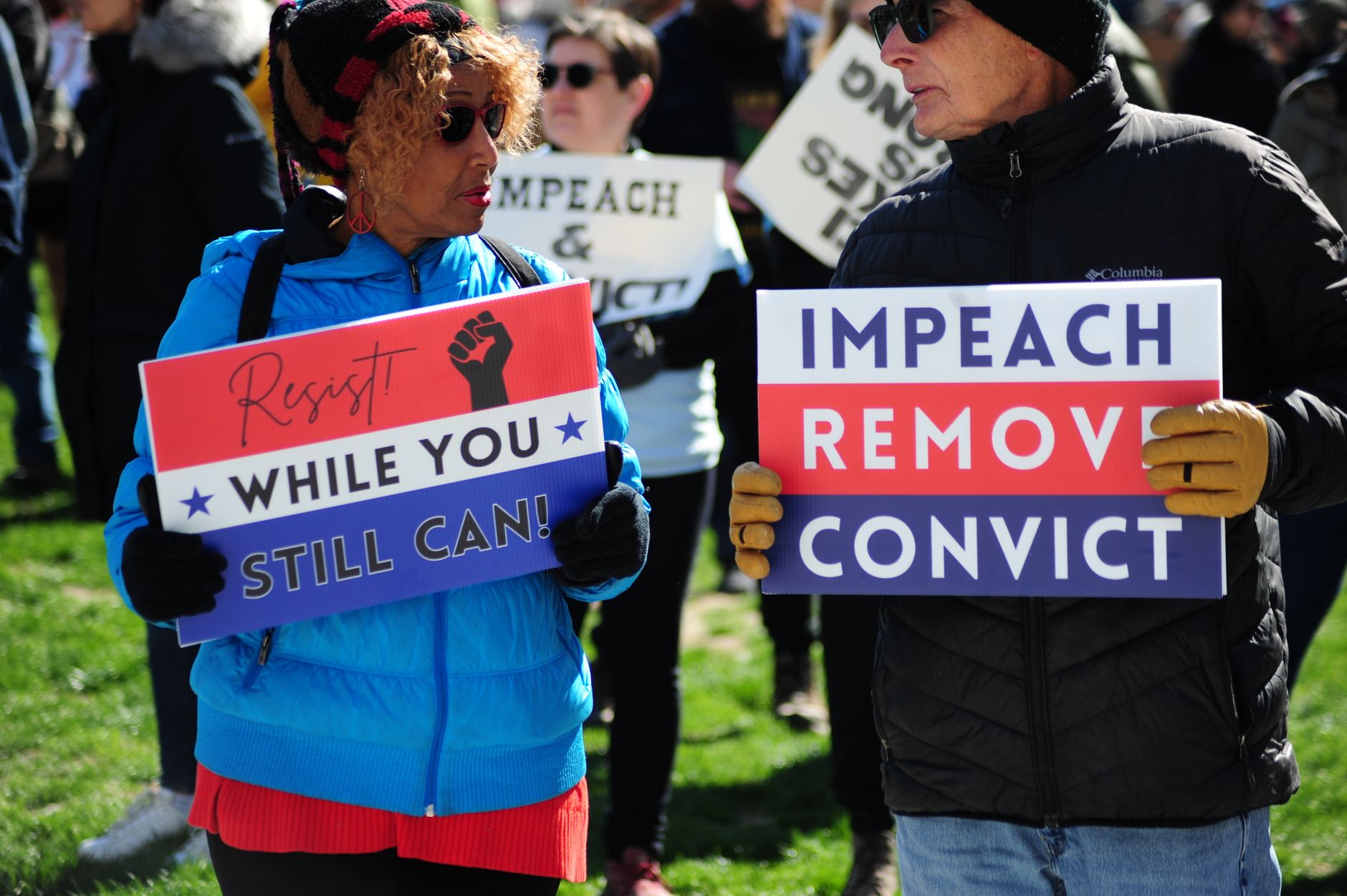

The foreign policy dispute has sparked significant debate among political leaders, raising questions about the effectiveness of current diplomatic strategies.
Overview of the Foreign Policy Dispute
The recent political dispute surrounding foreign policy has sparked intense debate among policymakers and analysts alike. This disagreement centers on the best approach to diplomacy and how nations should engage with one another in a rapidly changing global landscape.
At the heart of the foreign policy dispute is the question of whether to adopt a more aggressive or conciliatory stance in international relations. Proponents of a robust approach argue that it is essential to assert national interests and deter potential adversaries. They believe that a strong diplomatic presence can bolster a nation’s standing on the global stage.
Conversely, critics contend that an overly aggressive foreign policy can lead to escalated tensions and conflict. They advocate for a more diplomatic approach, emphasizing negotiation, collaboration, and multilateralism as key components of effective foreign relations. This perspective suggests that fostering partnerships and building coalitions can yield more sustainable outcomes for all parties involved.
The implications of this foreign policy dispute are significant, as nations navigate complex geopolitical challenges, such as trade conflicts, climate change, and security threats. As leaders weigh their options, the debate over the right approach to diplomacy will likely continue to shape international relations in the coming years.
Key Players Involved in the Debate
The ongoing foreign policy dispute has drawn in various key players, each with distinct perspectives on how best to navigate international relations. Understanding their roles is essential for grasping the complexities of the debate.
- Government Officials: High-ranking officials in the administration have been at the forefront, advocating for a more assertive diplomatic stance. They argue that proactive engagement with other nations is crucial for national security.
- Opposition Leaders: Leaders from the opposition have raised concerns about the current approach, suggesting that it may alienate potential allies. They emphasize the need for a balanced strategy that fosters collaboration rather than confrontation.
- International Experts: Scholars and analysts specializing in foreign relations have weighed in, providing insights based on historical precedents. Many suggest that a diplomatic approach rooted in dialogue can yield better long-term results.
- Public Opinion: Citizens also play a vital role in shaping the discourse. Recent polls indicate that many are divided on the effectiveness of the current foreign policy, calling for greater transparency and inclusiveness in the decision-making process.
As these players continue to engage in the foreign policy dispute, their differing views will significantly influence the direction of diplomatic efforts in the coming years.
Impact on International Relations
The ongoing foreign policy dispute has significant implications for international relations, affecting both bilateral and multilateral engagements. As nations navigate the complexities of diplomacy, the stakes have never been higher.
One of the primary effects of this dispute is the shift in alliances. Countries are reassessing their partnerships, often leading to realignments that can alter the balance of power globally. For instance, nations previously aligned with a particular bloc may seek new alliances in response to the changing dynamics.
Additionally, the foreign policy dispute has heightened tensions in regions already fraught with conflict. Diplomatic negotiations, once considered a viable path to resolution, are now fraught with skepticism and mistrust. This atmosphere complicates efforts to foster peace and stability.
- Economic Consequences: Trade agreements may suffer as nations impose sanctions or tariffs in retaliation for perceived diplomatic slights.
- Security Concerns: Increased military posturing can lead to an arms race, with countries feeling the need to bolster their defenses.
- Public Perception: Citizens in affected nations may grow disillusioned with their governments’ foreign policy decisions, leading to internal dissent.
Overall, the ramifications of the foreign policy dispute are likely to shape the geopolitical landscape for years to come.
Public Opinion on Foreign Policy
Public opinion plays a crucial role in shaping the foreign policy dispute currently engulfing the nation. As citizens become increasingly aware of international issues, their perspectives influence political agendas and diplomatic strategies.
Recent surveys indicate that a significant portion of the populace expresses concern over the government’s handling of foreign relations. Key findings include:
- 72% of respondents believe that a stronger diplomatic presence is essential for national security.
- 65% feel that the current foreign policy approach does not adequately address global challenges.
- 54% support a more cooperative stance in international negotiations, favoring diplomacy over military intervention.
These sentiments reflect a growing demand for transparency and accountability from leaders, with many citizens urging a reassessment of the prevailing foreign policy strategies. Furthermore, public discourse on social media platforms amplifies diverse opinions, allowing for a broader dialogue about the implications of international relations.
As the foreign policy dispute continues to unfold, it remains imperative for policymakers to consider public sentiment. Engaging with constituents can lead to a more unified approach, fostering trust and ensuring that diplomatic efforts align with the values and expectations of the populace.
Future of Diplomatic Strategies
The future of diplomatic strategies amid the ongoing foreign policy dispute requires adaptive measures that prioritize communication and collaboration. As global dynamics shift, nations must reassess their approaches to diplomacy to foster mutual understanding and peace.
Experts suggest several key strategies that could play a pivotal role in shaping effective diplomatic relations:
- Enhanced Multilateral Engagement: Strengthening alliances and encouraging collective decision-making can help address complex challenges that individual nations may struggle to resolve alone.
- Increased Transparency: Open communication regarding foreign policy objectives can build trust among nations, mitigating misunderstandings that may lead to conflict.
- Focus on Economic Diplomacy: Leveraging economic partnerships can create interdependence, making disputes less likely as countries become invested in each other’s prosperity.
- Emphasis on Cultural Exchange: Promoting people-to-people connections can foster goodwill and mutual respect, countering the narratives that exacerbate foreign policy disputes.
As the world grapples with pressing issues such as climate change and security threats, adapting diplomatic strategies will be critical. Nations must learn from past foreign policy disputes to create a more collaborative and peaceful international environment.
Conclusion and Next Steps
In conclusion, the foreign policy dispute remains a critical issue that shapes the dynamics of international relations. The ongoing debate highlights the necessity for a balanced approach to diplomacy, one that considers both national interests and global responsibilities. As stakeholders navigate this complex landscape, it is essential to prioritize dialogue and collaboration among nations.
Moving forward, several key steps can be taken to address the challenges posed by the foreign policy dispute:
- Enhancing Communication: Establishing open lines of communication among differing parties can foster mutual understanding and reduce tensions.
- Building Alliances: Strengthening existing alliances and forming new partnerships will be crucial in addressing collective global issues.
- Promoting Transparency: Governments should focus on transparency in their foreign policy decisions to build trust with both domestic and international audiences.
- Engaging Civil Society: Involving civil society organizations in diplomatic discussions can provide diverse perspectives and enhance the legitimacy of foreign policy initiatives.
Ultimately, the future of diplomatic strategies will depend on the willingness of nations to engage constructively, learn from past disputes, and work towards solutions that benefit not only their own citizens but the global community as a whole.
By dbking via Openverse